
Ways to Extend the Life of Your Home Entry System
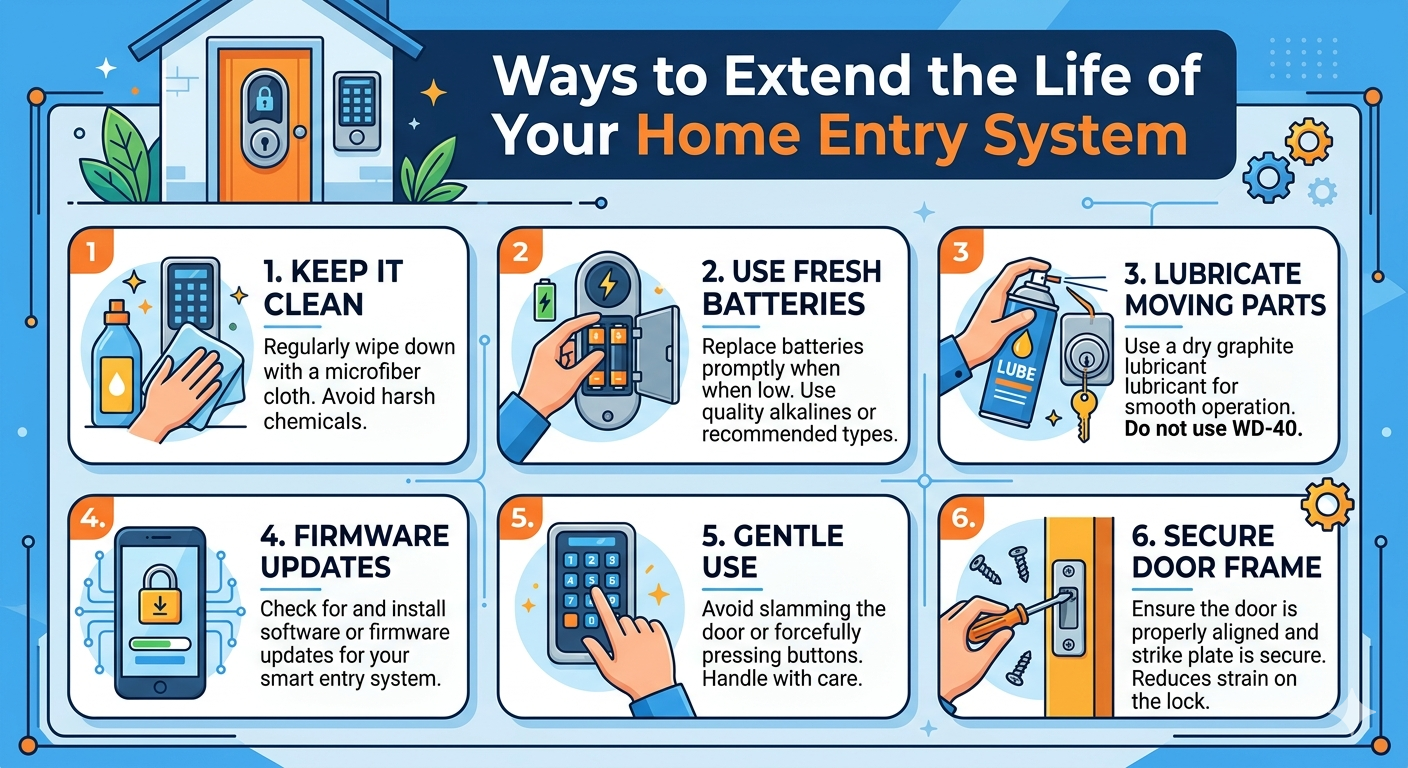
Your home entry system works harder than most people notice. It opens when you leave for work, closes when the kids come home, protects tools and vehicles, and often serves as the main entrance into the house. Most days, it does all of this without attention. Then one morning, the door jerks, the opener strains, or the remote stops responding. That is when many homeowners realize the system needs care, not just repair. Regular maintenance and timely help from garage door repair Orlando can keep your entry system safer, quieter, and stronger for years.
A home entry system may include the garage door, opener, springs, cables, tracks, rollers, hinges, sensors, keypad, remote controls, weather seals, and access hardware. Each part plays a role. When one part wears out, the rest of the system works harder. The good news is simple. You can extend the life of the system with steady habits, smart inspections, and professional service when needed.
Start With the Way the Door Moves
Your garage door tells you a lot during each cycle. Watch it open and close. A healthy door moves smoothly. It should not shake, drag, lean, or stop halfway. It should not slam shut. It should not sound like metal scraping against metal.
Stand inside the garage and listen for changes. A new squeak, pop, grind, or rattle can point to worn rollers, loose hinges, dry bearings, spring tension problems, or track issues. These sounds rarely fix themselves. They usually grow worse with daily use.
Also look at the door from both sides. Check whether the panels sit evenly. Look for gaps along the sides. Notice whether the bottom seal touches the floor across the full width. Small alignment problems can place stress on the opener, springs, and tracks.
A quick monthly check can catch early wear before it turns into a breakdown.
Keep the Moving Parts Clean and Lubricated
Friction shortens the life of any entry system. Your garage door has many moving parts that carry weight and motion. Hinges pivot. Rollers travel inside tracks. Springs stretch or twist. Bearings support movement. These parts need proper lubrication.
Use a garage door lubricant made for metal parts. Apply a light coat to hinges, spring coils, roller bearings, and bearing plates. Wipe away extra lubricant so dirt does not collect. Do not use heavy grease on the tracks. Grease can trap dust and cause rollers to drag.
Clean the tracks with a dry or slightly damp cloth. Remove leaves, dirt, cobwebs, and small debris. The rollers need a clean path. Bent or blocked tracks can force the opener to work harder.
A simple lubrication routine two or three times a year can reduce noise and wear. Homes in humid or storm-prone areas may need more frequent attention.
Protect the Springs, Cables, and Opener
The springs carry much of the door’s weight. The opener guides the movement, but it should not lift a heavy, unbalanced door on its own. When springs weaken, the opener strains. That strain can damage gears, belts, chains, motors, and control boards.
You can test the balance without adjusting anything. Close the garage door. Pull the emergency release cord to disconnect the opener. Lift the door by hand to about waist height. If the door stays near that position, the balance is likely fair. If it drops fast or rises on its own, call a trained technician.
Do not adjust springs or cables yourself. These parts hold high tension. A mistake can cause serious injury or property damage.
Your opener also needs attention. Check the chain or belt for sagging, cracking, or rough movement. Replace remote batteries before they fail. Keep the keypad clean and protected from moisture. If the opener sounds louder than normal or runs while the door barely moves, stop using it until the system is inspected.
Weather Protection Matters More Than You Think
Weather affects every part of a home entry system. Heat can dry rubber seals. Rain can promote rust. Wind can push loose parts out of alignment. Moisture can damage wood, metal, wiring, and opener components.
Look at the bottom seal. If it is cracked, flat, brittle, or missing sections, replace it. A worn seal lets water, pests, dirt, and hot air enter the garage. Side and top weatherstripping also help protect the opening.
Wash the door a few times a year with mild soap and water. This removes dirt, pollen, salt, and grime that can wear down finishes. If you have a steel door, check for rust spots. Treat small spots early. If you have a wood door, inspect for peeling paint, swelling, or soft areas.
A well-sealed door protects more than the garage. It can help nearby rooms feel more comfortable and reduce strain on the home’s heating and cooling system.
Do Not Ignore Safety Features
Modern garage doors include safety features for a reason. Photo-eye sensors sit near the floor on both sides of the door. If something crosses the beam, the door should stop and reverse. These sensors protect people, pets, bikes, tools, and vehicles.
Test the sensors monthly. Close the door and wave a broom handle across the sensor beam. The door should reverse. Then place a soft object, such as a roll of paper towels, under the door. When the door touches it, the opener should reverse.
If the door does not reverse, stop using the automatic opener until the issue is fixed. Clean the sensor lenses with a soft cloth. Make sure both sensors face each other. If the problem continues, call a professional.
Safety checks help extend system life because they prevent the door from forcing itself against objects or running under unsafe conditions.
Build Better Daily Habits
Small habits can add years to your home entry system. Many problems come from rough use, blocked tracks, ignored noises, or delayed repairs.
Try these simple habits:
-
Keep boxes, bikes, tools, and toys away from the tracks
-
Do not race under a moving garage door
-
Do not hang items from tracks, hinges, or opener rails
-
Keep remotes away from children
-
Close the door fully when not in use
-
Call for service when the door starts moving unevenly
Also avoid using the opener as a solution for a hard-to-lift door. If the door feels heavy by hand, something needs attention. The opener may still move it for a while, but the added strain can shorten its life.
Schedule Professional Maintenance Before Failure
A trained technician sees details most homeowners miss. During maintenance, they can inspect spring tension, cable condition, roller wear, hinge strength, track alignment, opener force settings, safety sensor response, and weather seal condition.
Professional maintenance can also reveal hidden issues. A cable may start fraying near the drum. A roller may have a cracked wheel. A spring may show early fatigue. A bracket may loosen from daily vibration. Fixing these items early often costs less than repairing a failed system later.
Annual service is a smart choice for most homes. High-use doors may need service more often. If your garage door opens and closes many times each day, the parts wear faster.
A Longer-Lasting Entry System Starts With Attention
Your home entry system does not need constant work. It needs steady care. Watch how it moves. Listen for new sounds. Keep parts clean. Lubricate the right areas. Protect the seals. Test the safety system. Call a professional when the door feels heavy, noisy, uneven, or unsafe.
These steps help prevent avoidable damage. They also make daily use quieter and safer. A well-maintained entry system protects your home, supports comfort, and saves you from stressful breakdowns.
For reliable inspection, repair, maintenance, and garage door service, contact Go Pro Garage Doors. Go Pro Garage Door service can help keep your home entry system working safely and dependably year after year.
By: M N Farooq

 English
 Arabic
 French
 Portuguese
 Deutsch
 Turkish
 Dutch
Dutch
 Italiano
 Russian
 Romaian
 Portuguese (Brazil)
 Greek
Greek