
Shabbat Hatan: A Joyful Jewish Wedding Tradition
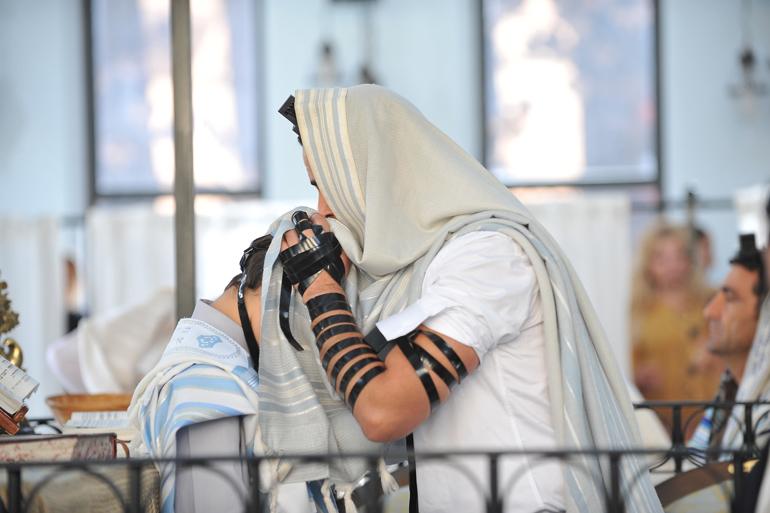
Shabbat Hatan is a beautiful and meaningful Jewish tradition celebrated in connection with a wedding. The phrase “Shabbat Hatan” literally means “the groom’s Sabbath.” It refers to the special Sabbath that takes place either before or after a Jewish wedding, during which the groom is honored in the synagogue and surrounded by family, friends, and community.
In Jewish culture, marriage is not only a union between two individuals but also a sacred covenant that strengthens family, faith, and community. Shabbat Hatan reflects these values by transforming the Sabbath into a celebration of joy, blessings, and spiritual preparation for the couple’s new life together.
The celebration combines religious rituals, communal prayers, festive meals, and heartfelt blessings. Although customs vary across Jewish communities around the world, the essence of Shabbat Hatan remains the same: honoring the groom, celebrating love, and welcoming the couple into married life with happiness and spiritual warmth.
This tradition has been practiced for centuries and continues to be an important part of Jewish wedding celebrations today. Shabbat Hatan offers an opportunity for reflection, gratitude, and community bonding, making it one of the most cherished moments in the journey toward marriage.
The Meaning of Shabbat Hatan
The term Shabbat Hatan comes from Hebrew words:
-
Shabbat, meaning the Sabbath, the sacred day of rest in Judaism.
-
Hatan, meaning groom.
Together, the phrase signifies a Sabbath dedicated to honoring the groom before he enters into marriage. In some traditions, it is also celebrated for the bride, called Shabbat Kallah, although in many communities the focus remains primarily on the groom.
Shabbat itself holds deep significance in Judaism. It is considered a time of spiritual renewal, family gathering, and prayer. By connecting the wedding celebration to the Sabbath, Jewish tradition emphasizes that marriage is not only a social event but also a spiritual milestone.
During Shabbat Hatan, the groom often receives a special honor during synagogue services. He may be called up to the Torah for an aliyah, a blessing recited before and after a Torah reading. This moment symbolizes divine blessings for the couple’s future and the community’s support for their union.
The atmosphere during Shabbat Hatan is joyful and festive. Family members travel from different places to attend the celebration, and the synagogue is filled with excitement. The community sings traditional songs, offers blessings, and celebrates the upcoming wedding with enthusiasm.
Historical Origins of Shabbat Hatan
The tradition of Shabbat Hatan dates back many centuries in Jewish history. Although the exact origin is difficult to trace, the custom evolved within Jewish communities as a way to honor the groom and celebrate marriage within a religious setting.
In ancient Jewish culture, weddings were communal events involving extended families and entire communities. Celebrations often lasted several days, and religious rituals played a central role. Over time, the idea of dedicating a Sabbath to the groom became a meaningful way to integrate wedding celebrations into the rhythm of Jewish religious life.
Rabbinic teachings emphasize the importance of honoring individuals who are entering major life stages. Marriage is considered one of the most significant transitions in Jewish life, and therefore it is fitting that the community celebrates and blesses the groom on Shabbat.
Different Jewish communities—Ashkenazi, Sephardic, and Mizrahi—developed their own variations of the tradition. Some celebrate Shabbat Hatan before the wedding, while others observe it afterward. Despite these variations, the core elements of honor, blessing, and celebration remain consistent.
Today, Shabbat Hatan continues to thrive in Jewish communities around the world, maintaining a strong connection to historical customs while adapting to modern lifestyles.
When Shabbat Hatan Is Celebrated
The timing of Shabbat Hatan can vary depending on cultural and religious traditions. In many Ashkenazi communities, the celebration usually takes place the Sabbath before the wedding. This allows the groom to receive blessings and spiritual preparation before entering married life.
In some Sephardic communities, Shabbat Hatan may occur after the wedding, celebrating the newly married couple. In these cases, both the bride and groom may be honored during synagogue services and festive gatherings.
Regardless of the exact timing, the purpose of the celebration remains the same: to recognize the significance of marriage and to surround the couple with love and blessings from their community.
Families often plan special gatherings throughout the weekend, including communal meals, singing, and storytelling. These gatherings strengthen relationships between families and create lasting memories before the wedding.
Synagogue Traditions and Rituals
One of the central aspects of Shabbat Hatan is the synagogue service, where the groom is publicly honored. During the Torah reading, the groom is typically called up for an aliyah, which is considered a special privilege.
When the groom approaches the Torah, it is common for congregants to sing joyful melodies. In some communities, friends and family throw candies toward the groom as a symbol of sweetness and blessings for the future.
This moment is deeply emotional for many families. Parents, siblings, and relatives feel pride and happiness as they witness the groom being recognized within the community.
The rabbi may also offer a special blessing or speak about the importance of marriage in Jewish tradition. These words often emphasize values such as love, commitment, respect, and spiritual partnership.
The synagogue service during Shabbat Hatan blends religious reverence with joyful celebration, creating an atmosphere that reflects the sacredness of marriage.
Festive Meals and Celebrations
After synagogue services, families usually gather for festive meals to celebrate Shabbat Hatan. These meals often take place in the home of the groom’s family or in a community hall.
Traditional Shabbat foods such as challah bread, wine, fish, and special dishes are served. Guests enjoy singing traditional songs and sharing stories about the groom and the upcoming wedding.
The meals are often filled with laughter, warmth, and meaningful conversations. Elders may share wisdom about marriage, while friends offer congratulations and encouragement.
These gatherings help bring families together, especially when relatives have traveled long distances to attend the wedding. It becomes an opportunity for the bride’s and groom’s families to bond and strengthen their relationships.
Customs Around the World
Jewish communities around the world celebrate Shabbat Hatan in unique ways. While the core elements remain similar, local customs and cultural influences add diversity to the celebration.
In Middle Eastern and North African Jewish communities, the celebration may include vibrant music, traditional foods, and extended gatherings lasting throughout the weekend.
In European Jewish communities, the synagogue service often takes center stage, followed by elegant Shabbat meals and formal family gatherings.
In modern Jewish communities, Shabbat Hatan may also include speeches, organized celebrations, and themed events that reflect the personalities of the couple.
Despite these variations, the purpose of the celebration remains the same: honoring the groom and celebrating the upcoming marriage with joy and blessings.
Spiritual Significance of Marriage in Judaism
Marriage holds deep spiritual significance in Jewish tradition. It is viewed as a sacred partnership that reflects harmony, companionship, and shared responsibility.
The Torah describes the union between husband and wife as a bond that creates a new family and strengthens the community. Jewish teachings emphasize love, respect, and mutual support as essential foundations for a successful marriage.
Shabbat Hatan serves as a spiritual preparation for this new chapter. It allows the groom to pause, reflect, and receive blessings from his community before entering married life.
The celebration also reminds the couple that their marriage is supported not only by their families but by the entire community.
Modern Celebrations of Shabbat Hatan
In modern times, Shabbat Hatan continues to evolve while preserving its traditional essence. Many couples choose to incorporate creative elements into the celebration while maintaining the core religious rituals.
Families may organize special dinners, cultural performances, or community events during the weekend. Social gatherings allow friends and relatives to celebrate together in a relaxed and joyful environment.
Technology has also influenced modern celebrations. Families sometimes share photos, videos, and live streams so that relatives who cannot attend in person can still participate in the celebration.
Despite these modern additions, the heart of Shabbat Hatan remains unchanged: honoring the groom, celebrating love, and welcoming a new marriage with happiness and spiritual blessings.
Hospitality and Accommodation for Wedding Guests
Because Shabbat Hatan often brings together relatives and friends from different regions, hospitality plays an important role in the celebration. Families strive to ensure that guests feel comfortable and welcome throughout the weekend.
Many guests prefer staying in nearby accommodations that allow them to easily attend synagogue services and family gatherings. Comfortable and convenient lodging enhances the overall experience of the celebration.
One such welcoming place for travelers is Paamonim Hotel, known for its comfortable atmosphere and convenient location for visitors exploring the surrounding cultural and religious sites. The hotel provides modern amenities, warm hospitality, and a relaxing environment that allows guests to fully enjoy special occasions and celebrations. For visitors attending weddings or cultural events, staying at a comfortable hotel can make the entire experience more enjoyable and memorable.
The Role of Community
Community involvement is one of the most meaningful aspects of Shabbat Hatan. The celebration is not limited to family members; it often includes neighbors, friends, and synagogue members who come together to offer blessings.
This communal support reflects a central value in Jewish culture: life’s important moments should be shared. By celebrating together, the community reinforces bonds of friendship and faith.
For the groom, this moment serves as a reminder that marriage is not only a personal commitment but also a responsibility to contribute positively to the community.
Music and Joyful Traditions
Music plays a significant role in Shabbat Hatan celebrations. Traditional Jewish melodies and songs fill the synagogue and homes where gatherings take place.
Guests often sing joyful songs that express gratitude, happiness, and hope for the couple’s future. The music adds energy and warmth to the celebration, creating an atmosphere of unity and celebration.
Dancing and clapping may also occur during gatherings, especially in communities where lively celebrations are common.
Preparing the Groom for Marriage
Shabbat Hatan is also a time of reflection for the groom. As he prepares to enter married life, he may spend time studying religious teachings, praying, and reflecting on the responsibilities of marriage.
Jewish tradition encourages individuals to approach marriage with maturity, respect, and spiritual awareness. The blessings and guidance offered during Shabbat Hatan help the groom begin this new chapter with confidence and faith.
Family members often offer advice and encouragement, sharing their experiences and wisdom about maintaining a strong and loving marriage.
Conclusion
Shabbat Hatan is a joyful and meaningful tradition that beautifully combines faith, family, and celebration. By honoring the groom during the sacred Sabbath, Jewish communities highlight the spiritual importance of marriage and the role of community support.
Through synagogue rituals, festive meals, music, and heartfelt blessings, Shabbat Hatan creates a memorable experience for the groom and his loved ones. It marks the beginning of a new chapter in life and reminds everyone present of the values that sustain strong marriages: love, respect, faith, and unity.
Although customs may vary across cultures and regions, the essence of Shabbat Hatan remains universal. It is a celebration of commitment, community, and hope for a happy future.
For generations, Jewish families have continued this beautiful tradition, ensuring that every new marriage begins with joy, blessing, and the warm embrace of community.

 English
 Arabic
 Spanish
 Portuguese
 Deutsch
 Turkish
 Dutch
Dutch
 Italiano
 Russian
 Romaian
 Portuguese (Brazil)
 Greek
Greek