
Sewage Cleanup Explained: What Really Happens and Why Fast Action Matters
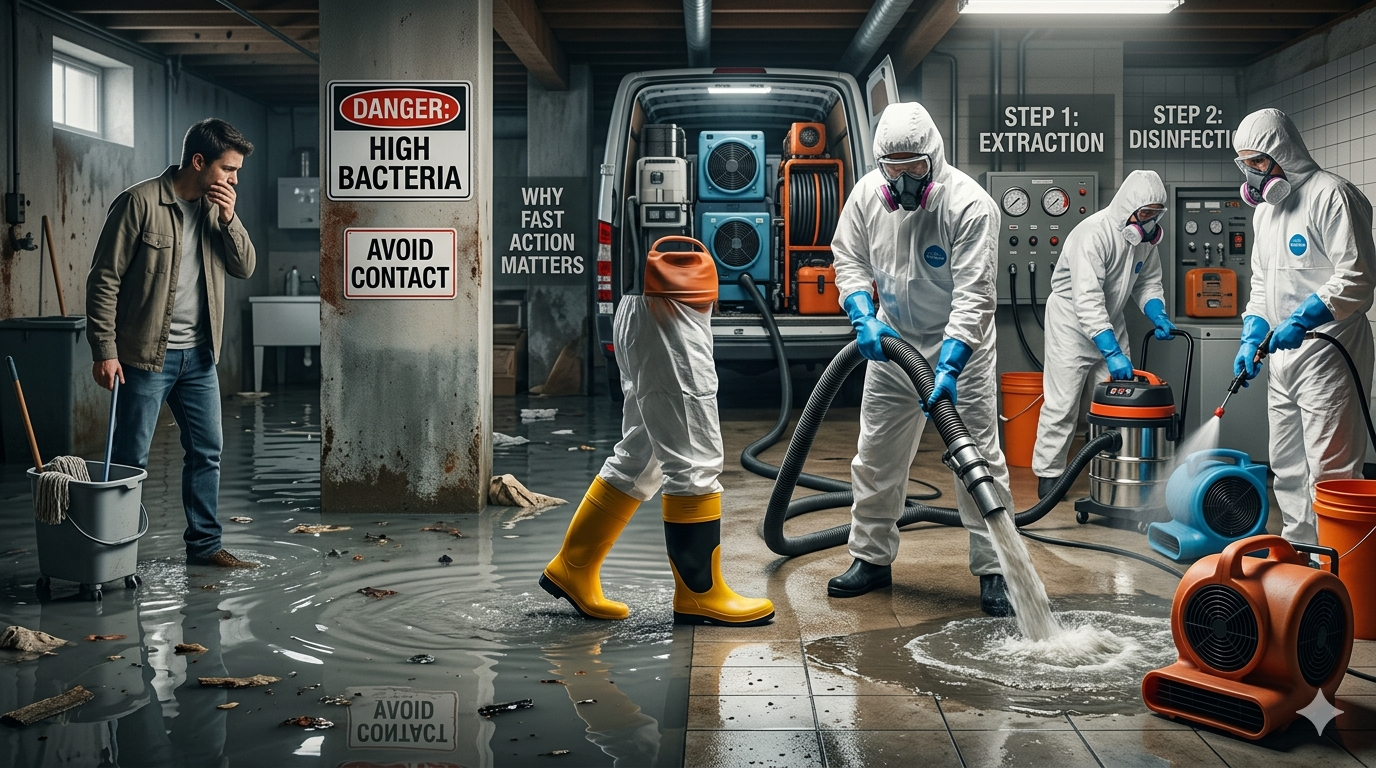
It usually begins with a smell that feels out of place. Then you notice water where it should not be. In many homes and businesses, sewage backups happen without warning, and the damage can spread quickly. Acting fast is not just about saving property. It is about protecting health and preventing long-term issues. Many people turn to services like mitigation restoration in Austin TX to get immediate help and avoid the situation getting worse.
What Sewage Cleanup Really Means
Sewage cleanup is not the same as simple water removal. It involves contaminated water that may carry bacteria, viruses, and harmful toxins. This type of water is often called black water. It can come from backed-up drains, overflowing toilets, or damaged sewer lines.
When sewage enters a space, it does more than leave visible damage. It seeps into flooring, walls, and furniture. Even after the water is gone, harmful microbes can remain. That is why cleanup requires more than basic drying. It needs careful removal, deep cleaning, and proper sanitation.
Why Sewage Backups Happen
Understanding the cause can help prevent future problems. Sewage backups often result from:
-
Clogged pipes due to grease, waste, or foreign objects
-
Tree roots growing into underground sewer lines
-
Heavy rain overwhelming drainage systems
-
Aging or damaged plumbing systems
Each of these issues can block the normal flow of wastewater. When that happens, the water has nowhere to go and may return into the property.
The Step by Step Cleanup Process
Professional sewage cleanup follows a structured approach. Each step is designed to remove contamination and restore safety.
Inspection and Safety Measures
The first step involves assessing the damage. Technicians identify the source of the sewage and determine how far the contamination has spread. Safety gear is used from the start. Gloves, masks, and protective suits help prevent exposure.
Water Removal
All standing sewage water must be removed quickly. Specialized pumps and vacuums are used to extract the contaminated water. This step helps limit further damage and reduces the spread of bacteria.
Removal of Damaged Materials
Porous materials like carpets, drywall, and insulation often cannot be saved if they have absorbed sewage. These materials are removed carefully to prevent cross-contamination. Hard surfaces may be cleaned and restored, depending on the level of exposure.
Cleaning and Disinfection
After removing damaged materials, the area is cleaned using industrial-grade disinfectants. This step targets bacteria, viruses, and odors. Every affected surface must be treated to ensure the space is safe again.
Drying and Dehumidification
Moisture can remain even after visible water is gone. Drying equipment such as air movers and dehumidifiers helps remove hidden moisture. This step prevents mold growth and structural damage.
Final Inspection
The last step confirms that the area is clean, dry, and safe for use. Professionals check moisture levels and ensure no contamination remains.
Health Risks You Should Not Ignore
Sewage exposure can lead to serious health problems. Contaminated water may carry pathogens that cause infections, stomach illness, and respiratory issues. Direct contact or even inhaling airborne particles can be harmful.
Children, older adults, and people with weaker immune systems face higher risks. That is why it is never recommended to handle sewage cleanup without proper training and equipment.
Why Professional Help Makes a Difference
Some homeowners consider handling cleanup on their own. While small water spills may be manageable, sewage is a different situation. Without proper tools and knowledge, it is easy to miss hidden contamination.
Professionals bring experience, equipment, and safety protocols. They know how to contain the affected area and prevent the spread of harmful substances. They also understand how to restore the space properly so that problems do not return later.
Preventing Future Sewage Problems
Once cleanup is complete, prevention becomes the next priority. Simple habits can reduce the risk of another backup:
-
Avoid flushing non-degradable items
-
Dispose of grease and food waste properly
-
Schedule regular plumbing inspections
-
Address slow drains before they become major clogs
Taking these steps helps keep your plumbing system working as it should.
Bringing Your Space Back to Life
Sewage damage can feel overwhelming, but it does not have to define your space. With the right response and expert help, recovery is possible. Acting quickly, staying informed, and trusting experienced professionals can make a difficult situation manageable.
If you are dealing with a sewage backup or want to be prepared for one, reaching out to a trusted team matters. Services like emergency water removal Austin Tx are ready to respond when time matters most.
For reliable support and a team that understands the urgency of sewage cleanup, contact Legacy Water restoration today and take the first step toward restoring your property and peace of mind.
By: M N Farooq

 English
 Arabic
 French
 Spanish
 Portuguese
 Deutsch
 Turkish
 Dutch
Dutch
 Russian
 Romaian
 Portuguese (Brazil)
 Greek
Greek