
Kopaida: The Legendary Lake Turned Fertile Plain of Greece
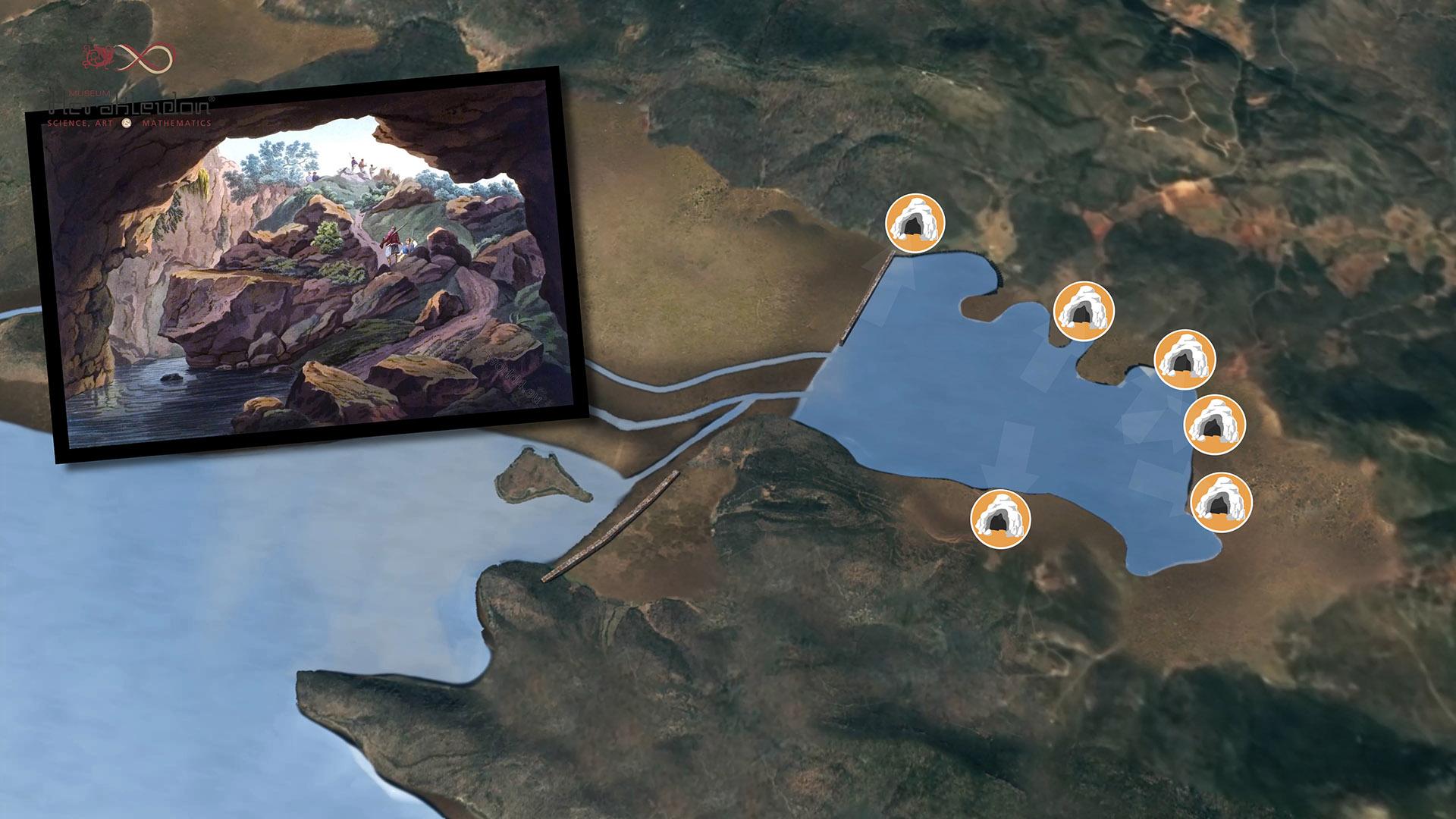
Kopaida is one of the most fascinating historical and geographical regions in Greece. Once known as a vast lake surrounded by mountains and ancient settlements, Kopaida has transformed over centuries into a fertile agricultural plain that continues to support local communities and attract visitors interested in history, archaeology, and nature. Located in the region of Boeotia, Kopaida carries a unique story that blends mythology, ancient engineering, agricultural development, and cultural heritage.
The story of Kopaida is not just about a landscape; it is about human ingenuity, survival, and the continuous transformation of nature through innovation. Ancient civilizations, including the legendary Mycenaean Civilization, developed sophisticated drainage systems here thousands of years ago. These early hydraulic projects demonstrate how advanced ancient Greek societies were in managing natural resources.
Today, the Kopaida plain is known for its rich farmland, scenic beauty, and archaeological importance. The region reflects the long journey from a mythical lake to one of the most productive agricultural zones in central Greece. Travelers who explore Kopaida experience a place where history, mythology, and rural charm meet.
Geographic Location and Landscape
Kopaida lies in central Greece within the fertile region of Boeotia, between the cities of Thebes and Orchomenos. Surrounded by mountain ranges such as Mount Helicon and Mount Parnassus, the plain creates a natural basin that once held the ancient Lake Kopaida.
The area covers hundreds of square kilometers and today features wide agricultural fields, irrigation canals, rural villages, and historic ruins. Because of its flat terrain and fertile soil, the Kopaida plain is one of the most productive farming regions in Greece.
The landscape changes with the seasons. During spring, green crops stretch across the plain while wildflowers bloom along rural paths. Summer brings golden wheat fields and warm Mediterranean sunshine. In autumn, farmers harvest their crops, while winter often brings quiet foggy mornings that create a mysterious atmosphere over the plain.
This seasonal rhythm reflects the region’s deep agricultural tradition and highlights the natural beauty that continues to define Kopaida.
The Ancient Lake of Kopaida
In ancient times, Kopaida was not a plain but a large lake known as Lake Copais. The lake covered a massive area and was surrounded by ancient cities and settlements that relied on its waters for fishing, transportation, and agriculture.
However, the lake was unpredictable. Seasonal flooding often threatened nearby communities and farmland. Because of this challenge, ancient engineers began developing methods to control and drain the water.
One of the most remarkable achievements occurred during the era of the Mycenaean Civilization around the second millennium BCE. Mycenaean engineers constructed an extensive network of canals, dams, and underground drainage tunnels designed to regulate the water level of the lake. These hydraulic systems were incredibly advanced for their time and show that ancient Greek societies possessed deep knowledge of engineering and environmental management.
Although these early systems eventually collapsed due to political changes and natural disasters, they represent one of the earliest examples of large-scale environmental engineering in Europe.
Archaeological Discoveries Around Kopaida
The Kopaida region is rich in archaeological sites that reveal the story of ancient Greece. Excavations around the former lake have uncovered remains of settlements, fortifications, and drainage systems that date back thousands of years.
One of the most important nearby sites is the ancient city of Orchomenos. Orchomenos was a powerful city during the Mycenaean era and played a central role in the management of Lake Kopaida. Archaeologists discovered monumental structures, royal tombs, and impressive engineering works here that highlight the city’s influence and prosperity.
Another important location in the region is Gla. Gla is one of the largest Mycenaean fortresses ever discovered. Built on a rocky island that once stood above the waters of Lake Kopaida, the fortress likely served as an administrative and military center overseeing the drainage and agricultural activities of the surrounding land.
These discoveries provide valuable insight into how ancient civilizations interacted with their environment and developed complex societies around natural resources.
The Modern Drainage of Lake Kopaida
Although ancient engineers attempted to control the lake, it was not fully drained until the 19th century. During this period, modern engineering techniques were introduced to transform the area permanently.
In the late 1800s, international companies began a large-scale project to drain Lake Kopaida and convert the land into farmland. Massive canals, pumping systems, and drainage networks were built to remove the water and prevent future flooding.
The project succeeded in transforming the lakebed into fertile agricultural soil. Over time, the Kopaida plain became one of the most productive farming regions in Greece, supporting crops such as wheat, cotton, corn, and vegetables.
This transformation marked a new chapter in the history of Kopaida, turning a once unpredictable lake into a stable and valuable agricultural resource.
Agriculture and Economy of the Kopaida Plain
Today, agriculture remains the backbone of the Kopaida region’s economy. The fertile soil left behind by the ancient lake is rich in nutrients and ideal for farming.
Farmers in the area grow a wide variety of crops, including cereals, legumes, vegetables, and fruit. Cotton production is particularly important and contributes significantly to the local economy. Modern irrigation systems continue to support agriculture across the plain, ensuring that water resources are carefully managed.
Local villages around the Kopaida plain rely heavily on farming, and many families have cultivated the land for generations. Agricultural traditions are deeply rooted in the culture of the region, with seasonal harvests and rural festivals celebrating the connection between people and the land.
The agricultural success of Kopaida demonstrates how a region once dominated by water has been transformed into a productive and sustainable environment.
Cultural and Mythological Significance
Like many regions in Greece, Kopaida is closely connected with Greek mythology and ancient legends. The surrounding mountains and valleys were believed to be home to gods, heroes, and mythical creatures.
Nearby Mount Helicon was considered sacred to the Muses in ancient Greek mythology. According to legend, the Muses—goddesses of art, poetry, and inspiration—lived on Mount Helicon and inspired poets and musicians.
Because of its location near such mythological landscapes, Kopaida became part of the broader cultural imagination of ancient Greece. Poets and historians wrote about the region, describing its lake, its surrounding cities, and the heroic figures associated with Boeotia.
These mythological connections add another layer of meaning to the region and make it an interesting destination for travelers interested in Greek legends.
Villages and Rural Life Around Kopaida
Several traditional villages surround the Kopaida plain, each offering a glimpse into rural Greek life. These communities maintain strong cultural traditions and hospitality that reflect the warmth of the Greek countryside.
Local tavernas serve authentic Greek cuisine made from fresh ingredients grown in nearby fields. Dishes often include seasonal vegetables, olive oil, homemade bread, and locally produced cheeses.
Visitors can experience the relaxed pace of village life by walking through quiet streets, visiting small churches, and exploring local markets. The rural charm of the region offers a peaceful contrast to the busy tourist destinations of Greece.
Festivals and cultural celebrations also take place throughout the year, allowing visitors to experience traditional music, dancing, and local customs.
Natural Beauty and Outdoor Activities
The Kopaida plain offers a unique landscape for nature lovers and outdoor explorers. The surrounding mountains, fields, and wetlands provide opportunities for hiking, birdwatching, photography, and cycling.
Bird species often migrate through the area, making it a popular location for birdwatchers. The agricultural fields and irrigation canals attract various species that thrive in this diverse ecosystem.
Hiking trails in nearby mountains such as Mount Helicon allow visitors to explore forests, scenic viewpoints, and ancient paths once used by shepherds and travelers.
Cycling across the flat plains of Kopaida is another enjoyable activity, offering wide open views of farmland and distant mountain ranges.
These outdoor experiences highlight the natural beauty that complements the historical significance of the region.
Karystos Villas: A Relaxing Escape in Greece
For travelers exploring the wider region of Greece, Karystos Villas offers a luxurious and peaceful accommodation experience near the beautiful coastal town of Karystos. Surrounded by breathtaking landscapes and the crystal-clear waters of the Aegean Sea, Karystos Villas provides visitors with modern comfort, privacy, and stunning views.
Guests staying at Karystos Villas can enjoy elegant architecture, spacious interiors, private terraces, and easy access to beaches and natural attractions. The villas are ideal for families, couples, and travelers seeking a relaxing getaway while exploring the historical and cultural wonders of Greece. With a perfect combination of luxury and tranquility, Karystos Villas creates an unforgettable holiday experience that complements any journey through the diverse landscapes of Greece.
Tourism and Exploration
Although Kopaida is not one of the most famous tourist destinations in Greece, it offers a unique experience for travelers interested in history, archaeology, and rural landscapes.
Visitors can explore nearby archaeological sites such as Orchomenos and Gla while learning about the region’s ancient civilizations.
The quiet countryside also provides a relaxing escape from crowded tourist hotspots. Travelers can enjoy scenic drives, traditional Greek villages, and authentic cultural experiences that showcase the real spirit of rural Greece.
Because of its central location, Kopaida can also be combined with visits to other historic destinations such as Delphi and Athens.
Environmental Importance
The transformation of Lake Kopaida into farmland represents a fascinating example of human interaction with nature. While the drainage project created valuable agricultural land, it also changed the ecosystem of the region.
Today, environmental studies focus on balancing agricultural productivity with ecological sustainability. Efforts are being made to protect local wildlife, manage water resources responsibly, and preserve the cultural heritage of the area.
These initiatives highlight the importance of learning from history while creating sustainable solutions for the future.
Conclusion
Kopaida is a remarkable region where history, engineering, agriculture, and mythology come together. Once a vast lake surrounded by ancient cities, it has evolved into one of the most fertile plains in Greece.
From the advanced drainage systems of the Mycenaean Civilization to the modern agricultural landscape, the story of Kopaida reflects thousands of years of human adaptation and innovation. Archaeological discoveries, scenic countryside, and cultural traditions make the region a hidden treasure for those who wish to explore beyond Greece’s famous islands and cities.
Travelers who visit Kopaida discover not only a unique geographical transformation but also a deep connection to the past that continues to shape the present. The region stands as a powerful reminder of how nature and human creativity can work together to transform landscapes and create lasting cultural heritage.
 English
 Arabic
 French
 Spanish
 Portuguese
 Deutsch
 Turkish
 Dutch
Dutch
 Italiano
 Russian
 Romaian
 Portuguese (Brazil)
 Greek
Greek