
Manual vs Automated Systems: Comparing Approaches in Modern Fish Tagging
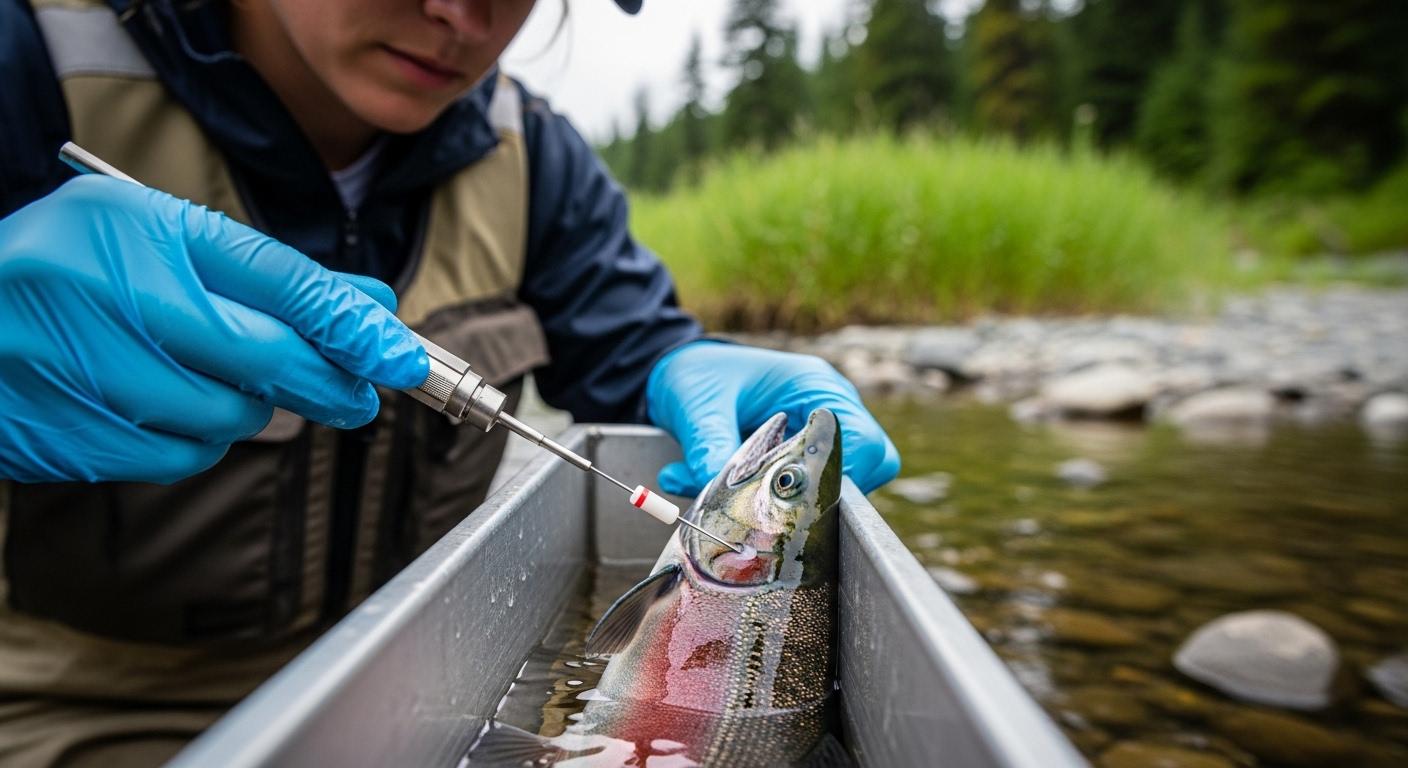
The science of fisheries management and aquatic research has undergone a digital transformation over the last two decades. At the heart of this evolution is fish tagging, a foundational practice that allows researchers to track individual movements, migration patterns, and survival rates. As technology advances, the choice between manual monitoring and automated systems has become a critical decision for field biologists, conservationists, and aquaculture managers.
While traditional manual methods have served science for generations, the emergence of advanced technology—including integrated systems like those offered by Voda IQ—is redefining what is possible in the field. Understanding the nuances, limitations, and operational benefits of each approach is essential for anyone designing a robust longitudinal study.
The Traditional Approach: Manual Fish Tagging
Manual fish tagging has long been the gold standard for localized studies. This approach typically involves tagging individual specimens and relying on recapture methods, such as netting, angling, or physical observation, to log data.
The Benefits of Manual Systems
The primary advantage of a manual approach is simplicity. It requires minimal infrastructure, making it an accessible entry point for small-scale projects or studies with limited budgets. Manual tagging allows for intimate interaction with the specimen, giving researchers the opportunity to perform health checks, measure growth, and visually inspect tags during the recapture process.
The Challenges of Manual Data Collection
However, manual systems face significant limitations in the modern landscape:
-
Low Detection Rates: The success of the study is entirely dependent on recapture. If fish don't return to a specific site or are not caught by an angler, the data point is effectively lost.
-
Labor Intensity: Constant monitoring requires heavy manpower, which can become prohibitively expensive over a long-term project.
-
Human Error: Transcribing data from manual logbooks introduces potential inaccuracies, which can compromise the integrity of complex datasets.
The Rise of Automated Monitoring
Automated systems, particularly those utilizing Passive Integrated Transponder (PIT) tags, have shifted the paradigm from "hope-based recapture" to "event-based detection." By installing antennas at key river junctions, fish ladders, or research site bottlenecks, researchers can automatically capture data as a tagged fish swims past.
How Automation Changes the Game
Automation allows for continuous, 24/7 monitoring. This removes the variable of human presence and significantly increases the probability of gathering data. When a fish passes an antenna, the tag ID, date, and time are automatically logged. This granularity is impossible to achieve with manual methods alone.
At Voda IQ, the focus is on bridging the gap between hardware durability and data accessibility. Automated systems allow for the deployment of antennas in remote locations where manual observation would be impossible or unsafe, ensuring that high-quality data collection continues regardless of weather conditions or field personnel availability.
Comparing Approaches: Key Considerations
When deciding which route to take, researchers must balance their specific goals against practical realities. Here is how the two compare across critical metrics:
1. Data Granularity and Scope
Manual tagging is ideal for "point-to-point" studies where specific biological data (like individual health metrics) are required. Conversely, automated systems are superior for understanding migration behavior, timing, and population movement through large river systems. If your project goal is to understand *when* and *how* fish navigate a particular passage, automation is the clear winner.
2. Operational Cost vs. Long-Term Value
While the initial setup cost for automated antennae arrays is higher, the long-term ROI is often better. Manual labor, travel to sites, and recapture equipment represent ongoing, compounding costs. Automated systems require an upfront investment in PIT tags and reader infrastructure but provide consistent, low-maintenance data streams over several years.
3. Scalability
Manual tagging is difficult to scale; adding more data requires more people. Automated systems, however, are highly scalable. Once the network of Voda IQ compatible readers is installed, you can monitor hundreds or thousands of fish simultaneously with no increase in daily operational effort.
Implementing Hybrid Strategies
It is important to note that these approaches are not mutually exclusive. Many successful research projects utilize a hybrid strategy. By using manual techniques to tag the population and automated PIT tag systems to monitor movement, researchers can enjoy the best of both worlds: the detailed biological data of manual handling and the high-resolution movement data provided by automation.
Conclusion
The debate between manual and automated systems in fish tagging is ultimately a conversation about research objectives. Manual tagging remains vital for high-touch, localized data collection, while automated systems are indispensable for large-scale, high-fidelity tracking.
For professionals looking to maximize their research outcomes, the integration of reliable, high-performance tagging hardware is non-negotiable. As aquatic environments face increasing pressure from climate change and human impact, the ability to collect accurate, continuous data has never been more important. Choosing the right partner for your PIT tag technology—one that prioritizes both hardware longevity and data integrity—will ensure your findings stand the test of time.
Frequently Asked Questions
Q: Is automated tagging suitable for all species?
A: Most PIT tag technology is highly versatile, but size matters. The tag must be appropriate for the size of the fish to avoid internal injury. Voda IQ offers solutions that accommodate various fish sizes, ensuring safe application while maintaining high detection sensitivity.
Q: How do I choose between different PIT tag frequencies?
A: Frequency choice often depends on the environment. High-frequency tags can provide faster read rates, but low-frequency tags often offer better performance in water environments. Consult with specialists to match your antenna hardware with the correct tag frequency for your specific site conditions.
Q: Can I integrate Voda IQ components into an existing manual study?
A: Yes, many researchers choose to transition to automated systems incrementally. You can start by adding a single automated monitoring station at a critical bottleneck to see the immediate improvement in your detection rates before expanding to a wider network.
 English
 Arabic
 French
 Spanish
 Portuguese
 Deutsch
 Turkish
 Dutch
Dutch
 Italiano
 Russian
 Romaian
 Portuguese (Brazil)
 Greek
Greek